Women & Children
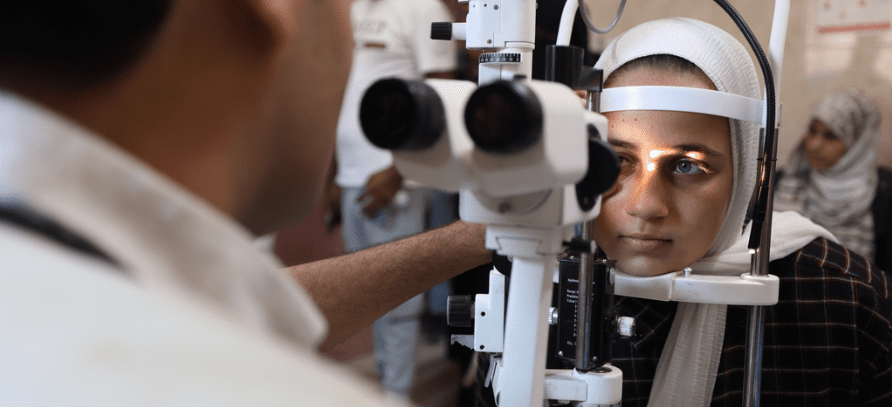
Eye health for women and children remains a major concern for Palestinian communities, particularly during times of crisis. Women and children are among the most vulnerable, facing unique challenges that can lead to preventable blindness and long-term health issues.
Children
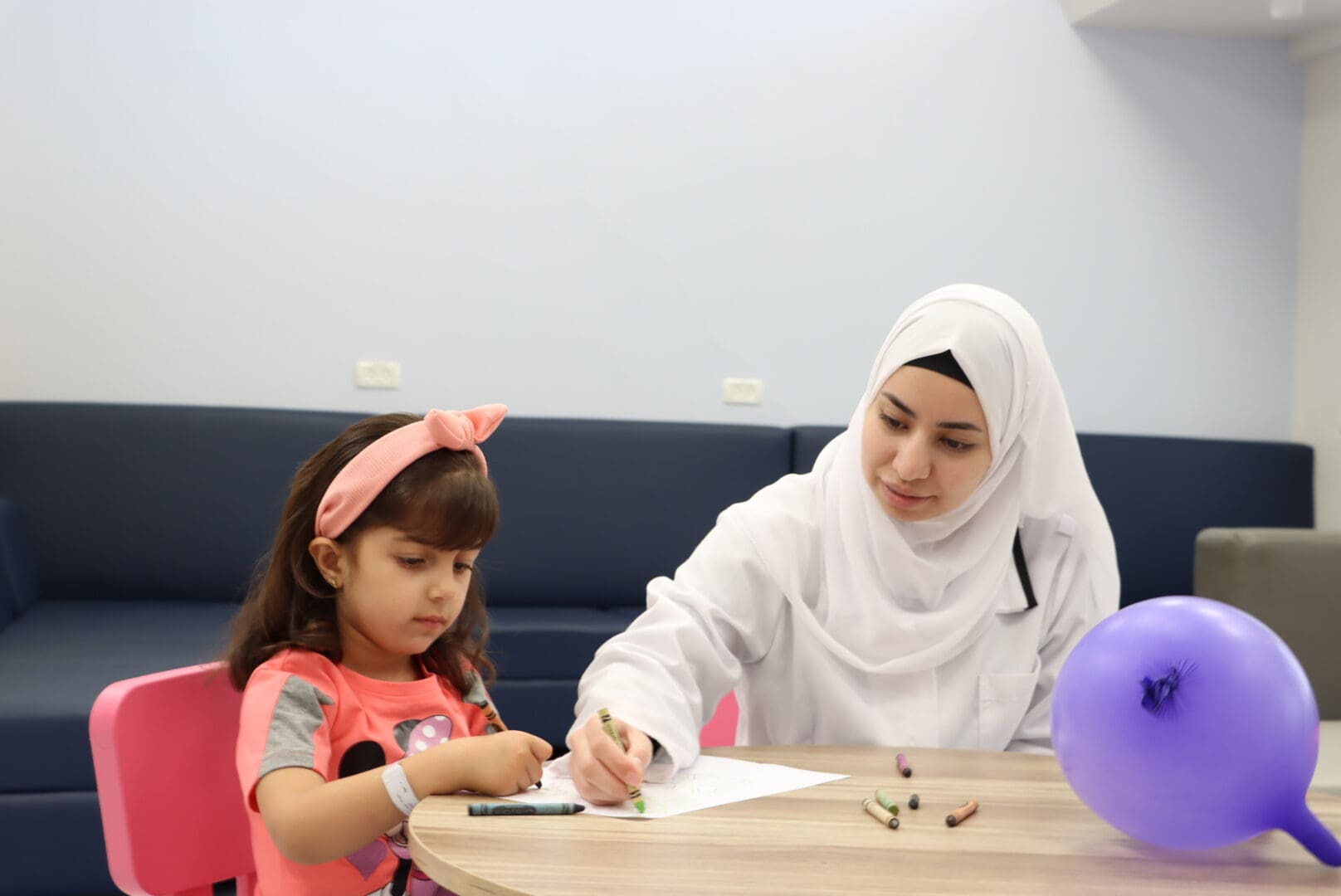
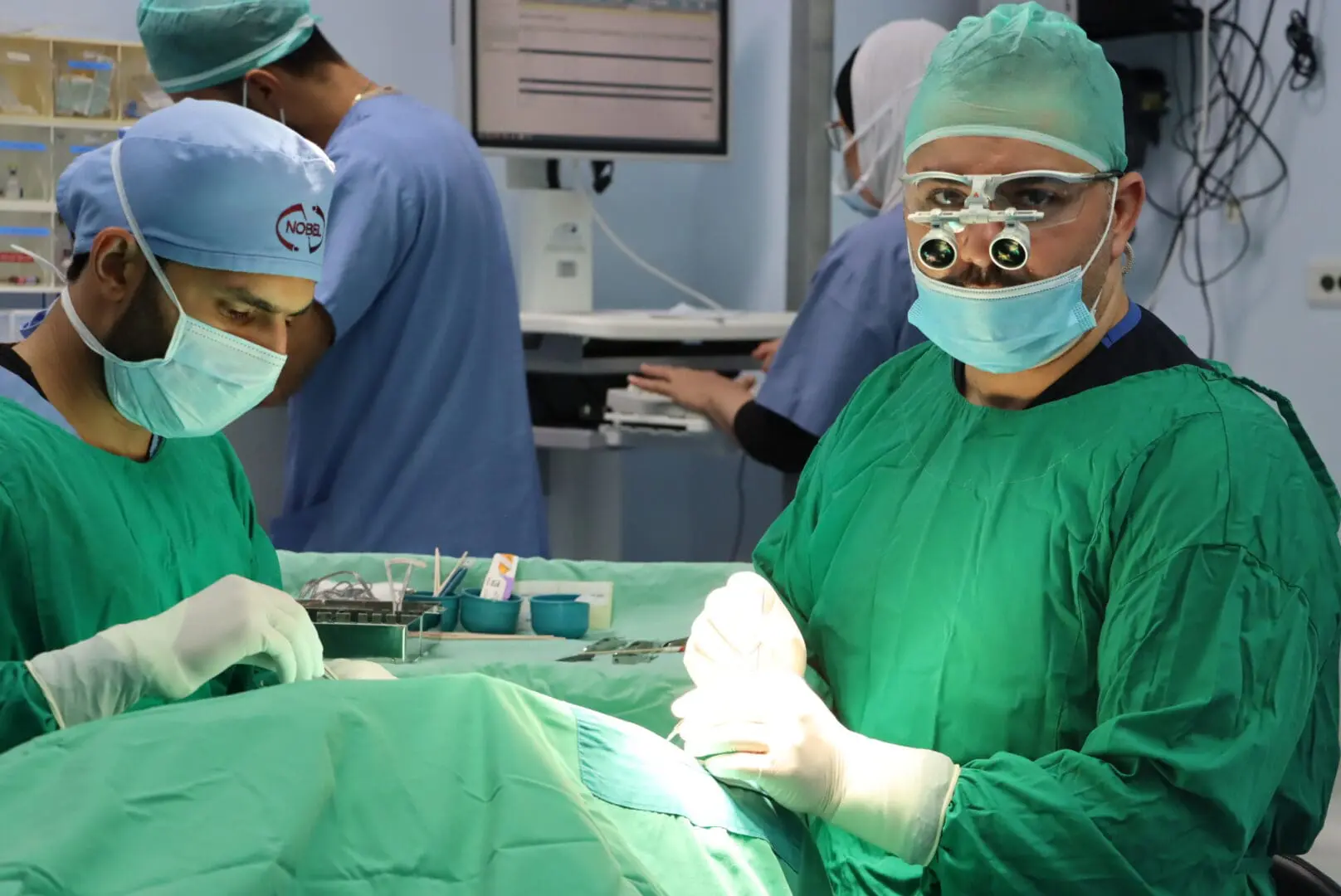
Early intervention is critical for many eye conditions. Without treatment, children risk permanent blindness, leading to a lifetime of dependency, social isolation, and limited access to education. In 2025, half of our patients were children under 18.
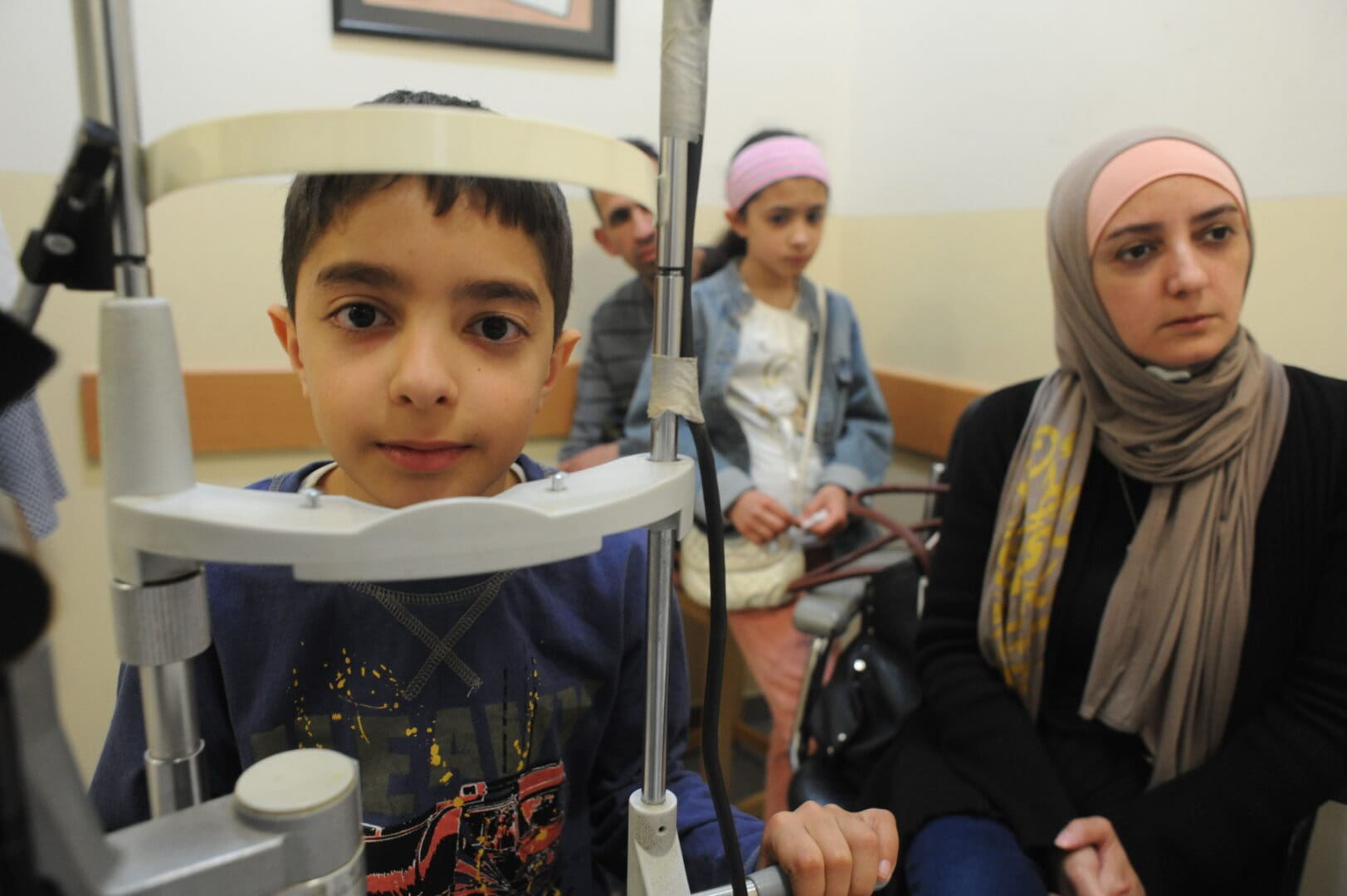
We screen children across the region, and our paediatric specialists provide essential eye care to a population of more than two million children.
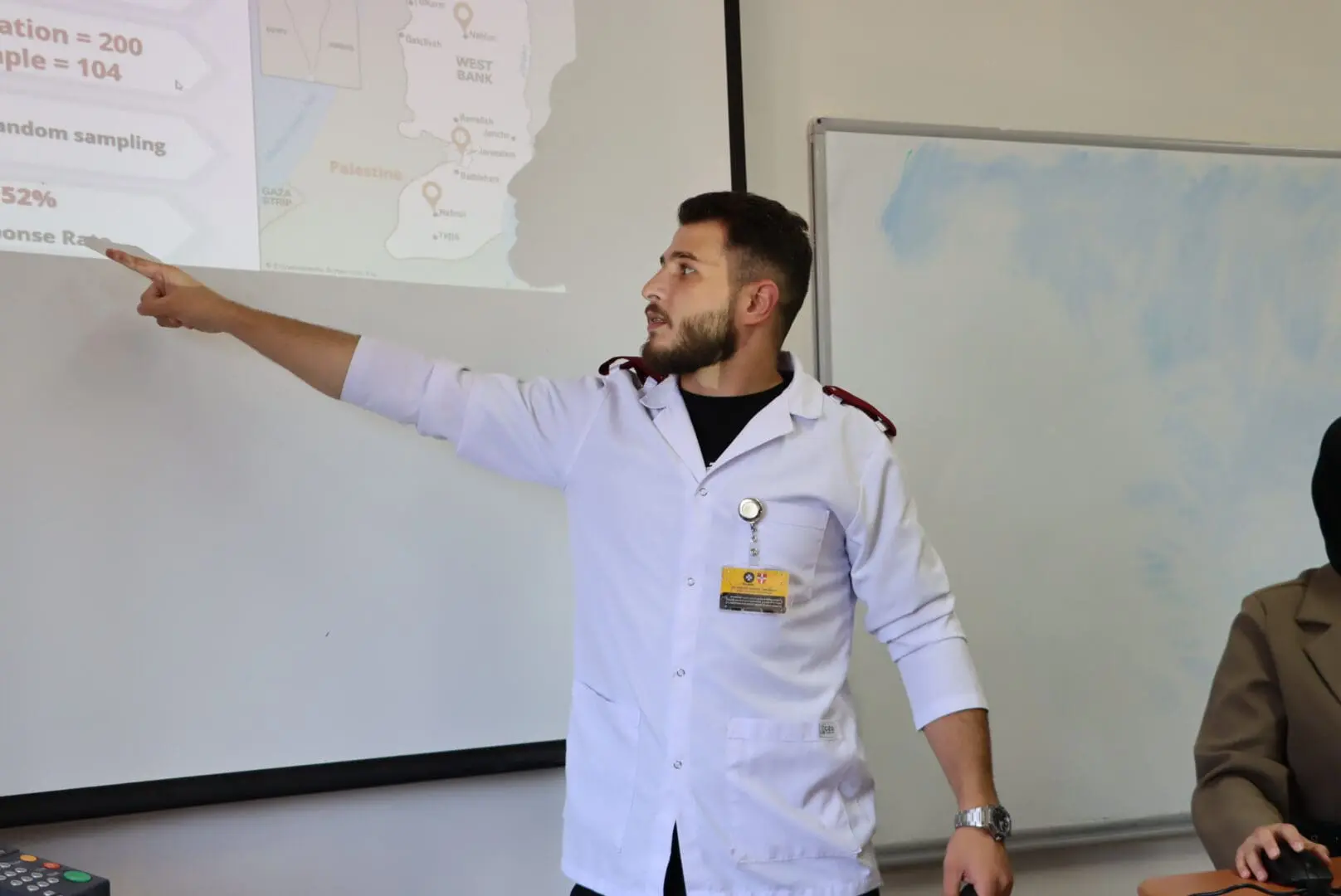
In 2024, we launched a new Child Screening Service in the West Bank, significantly increasing the number of children screened and helping identify those who need specialist treatment. This has already led to more children being referred to our hospitals and clinics for care.
Women
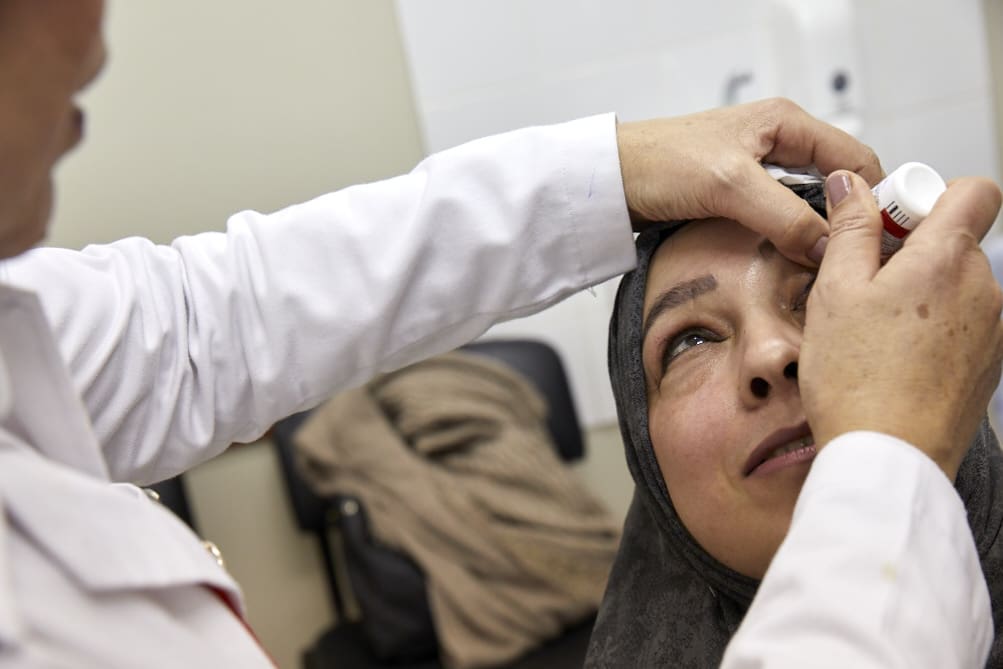
Women in the region often face cultural, physical, and financial barriers to healthcare. By expanding services for women, we help ensure more women and children receive the eye care they need.
Through our work, we aim to improve women’s eye health, reduce health inequalities, and strengthen access to care within communities.
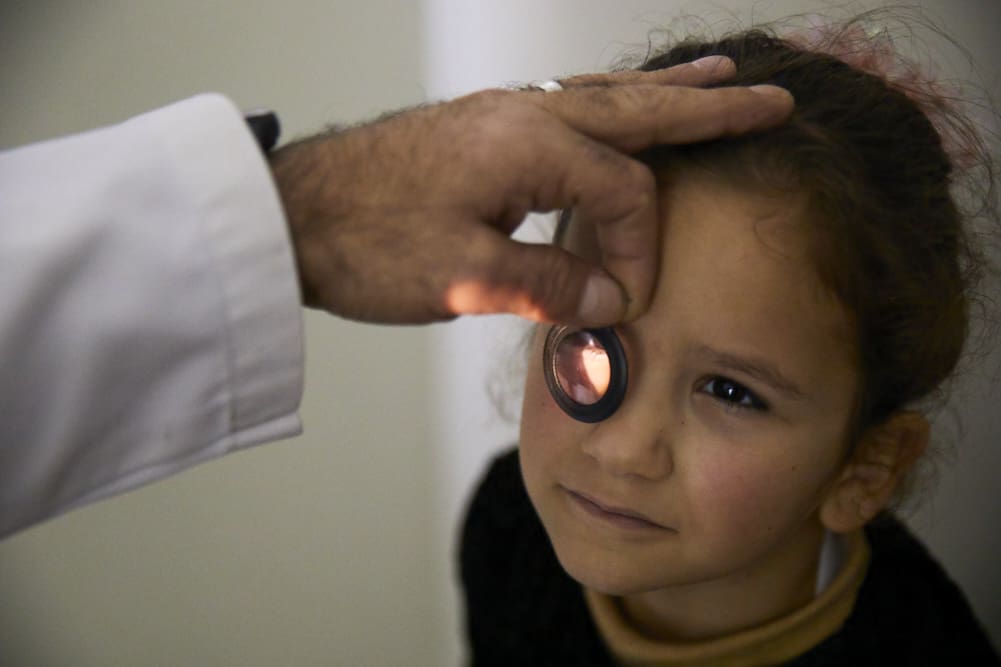
By improving access to eye care and encouraging health-seeking behaviours, we aim to break the cycle of preventable blindness among women and children.
With your support, we can continue providing life-changing care to the most vulnerable, ensuring no child or woman is denied the chance to live a full and independent life.
CURRENT PROJECTS
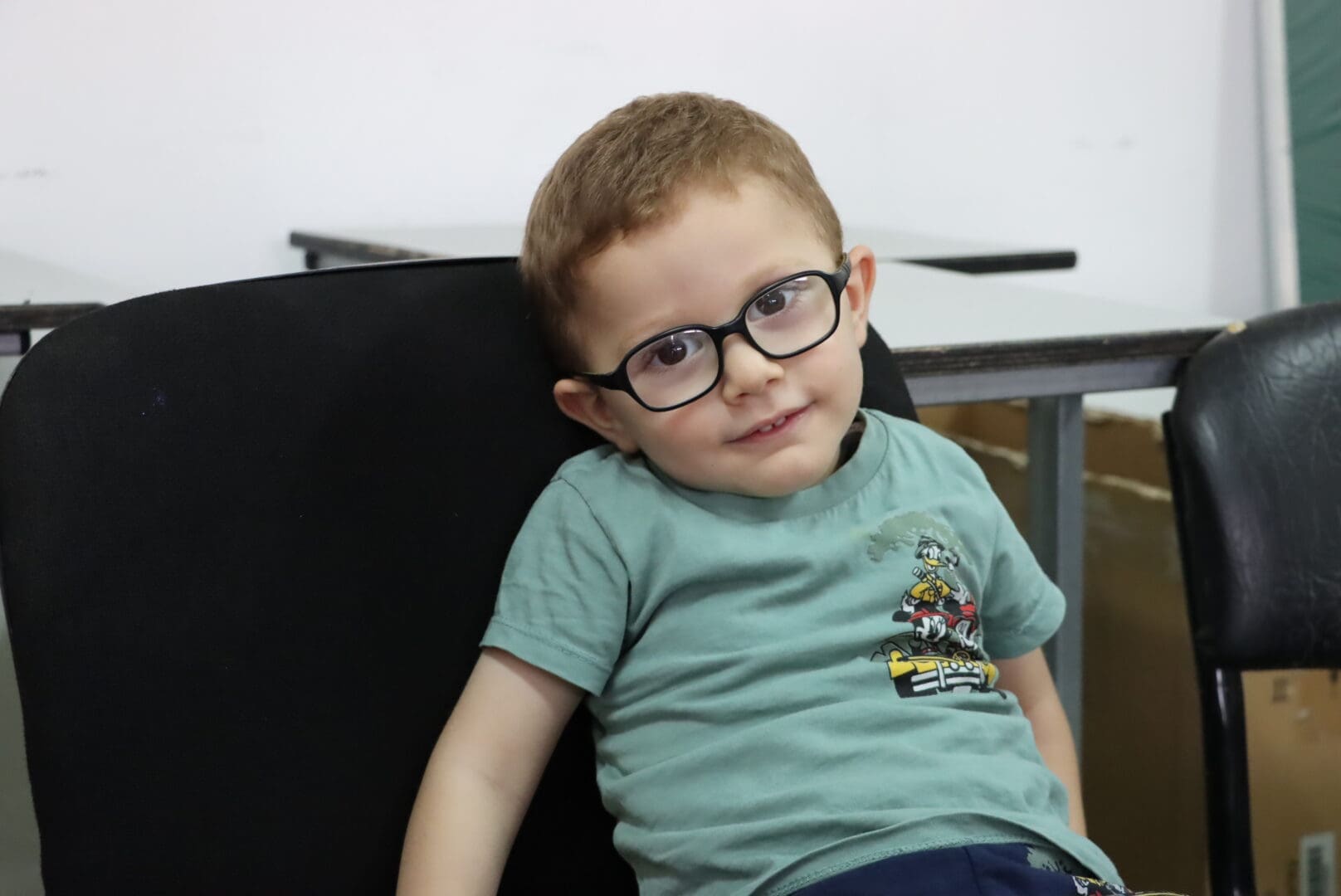
Child Screening Initiative in the West Bank
Launched in 2023, this programme screens children living in refugee camps in the West Bank. In its first year, over 50,000 children were screened, and around 19% of those screened were referred for further diagnosis, treatment or surgery at our hospitals.
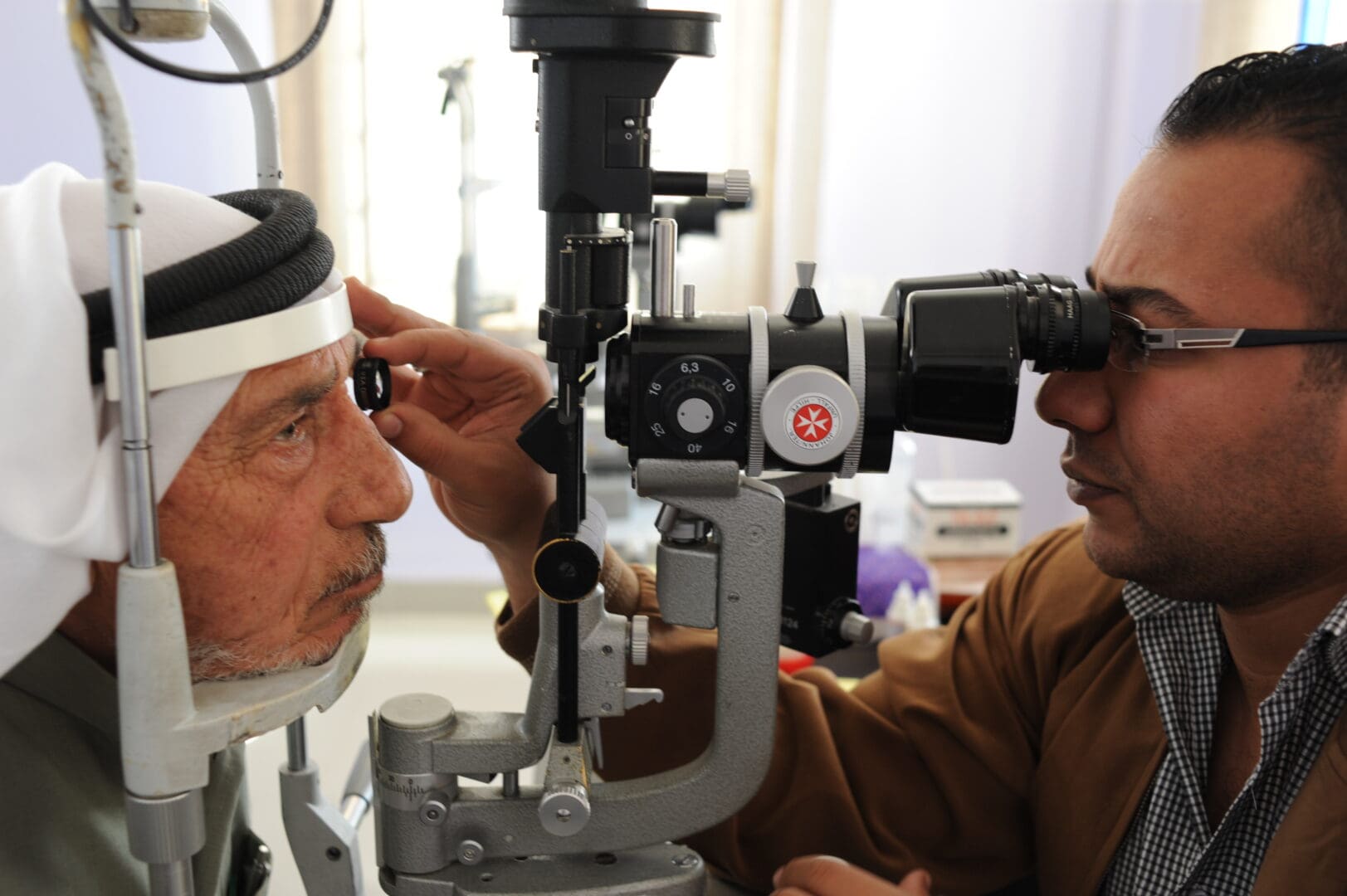
Mobile Clinics for Remote Communities
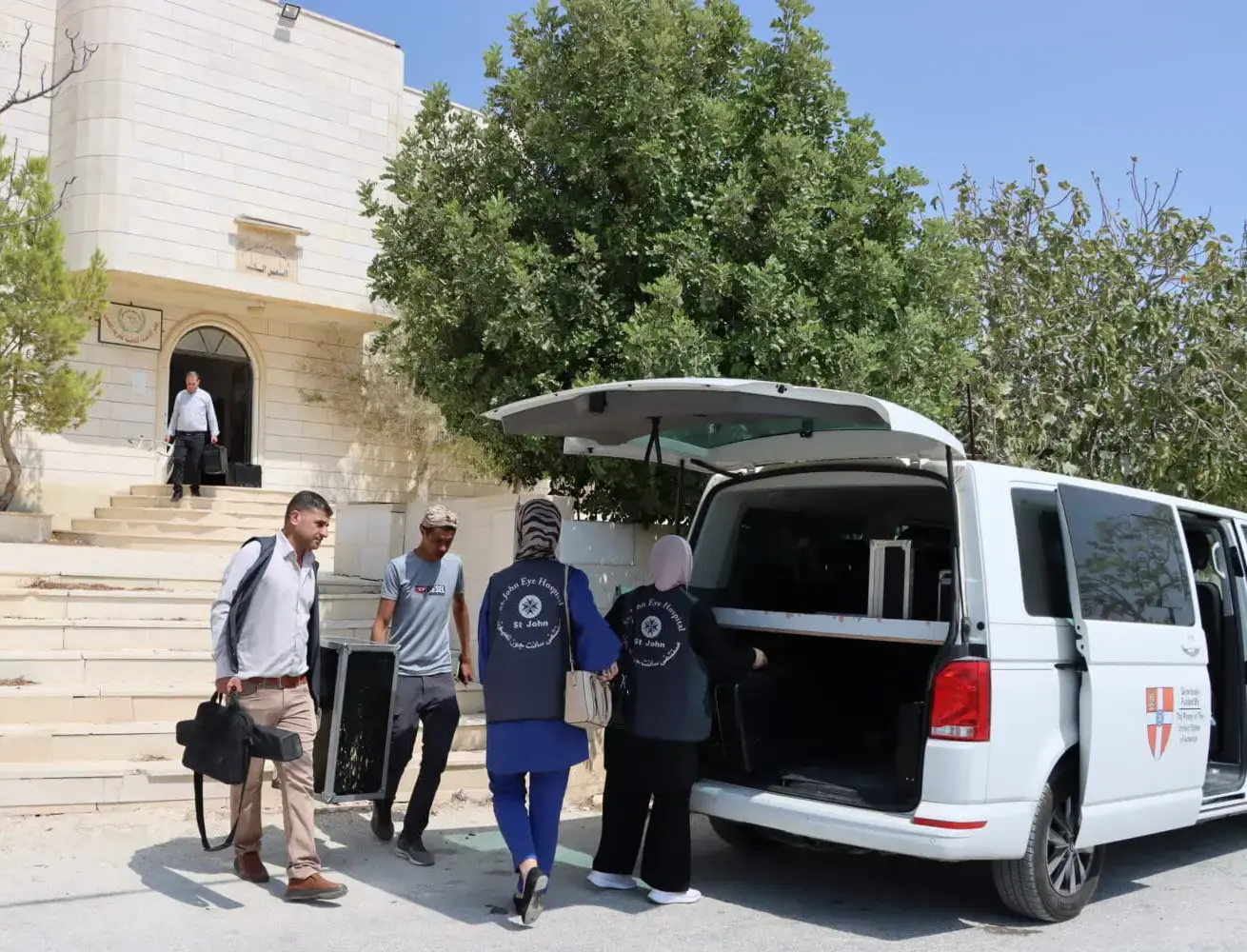
Our mobile clinics reach children in isolated and Bedouin communities, ensuring that all children – no matter where they live – have equal access to essential eye care services.
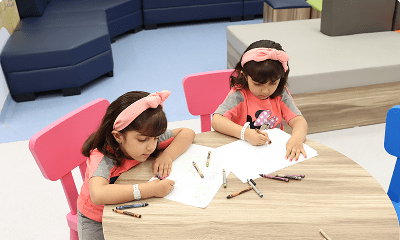
Equity of Care for Women and Children
We’ve targeted communities representing women, children and people living with disabilities – groups that are often excluded from regular healthcare. 79% of patients seen in our outreach programme are women or young girls, a key achievement in improving healthcare access for marginalised groups.
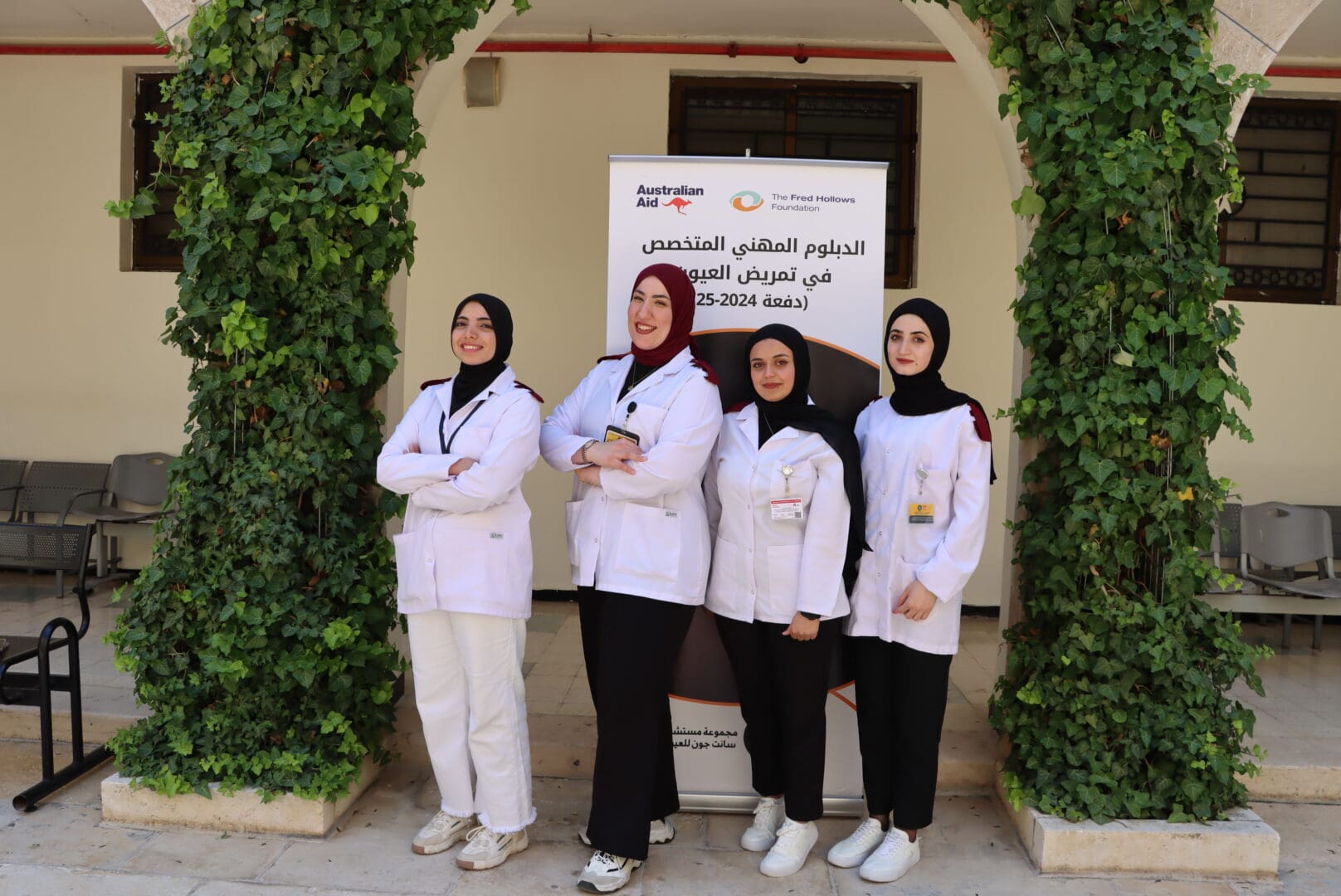
Empowering Women in Healthcare
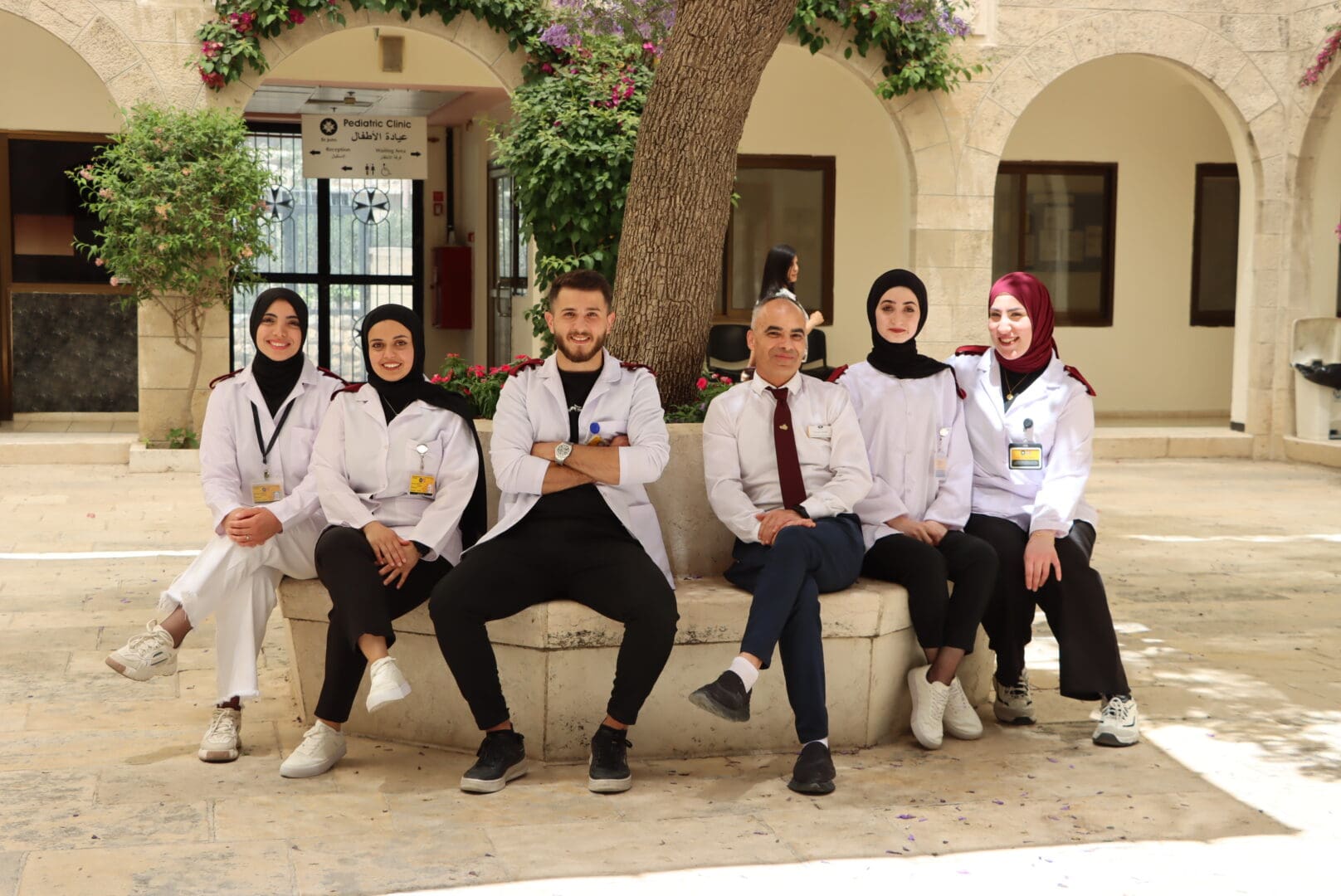
Women make up 38% of our workforce, and half of our recent nursing school graduates are women. We are proud to champion gender equality and remain committed to supporting and advancing women throughout our organisation.
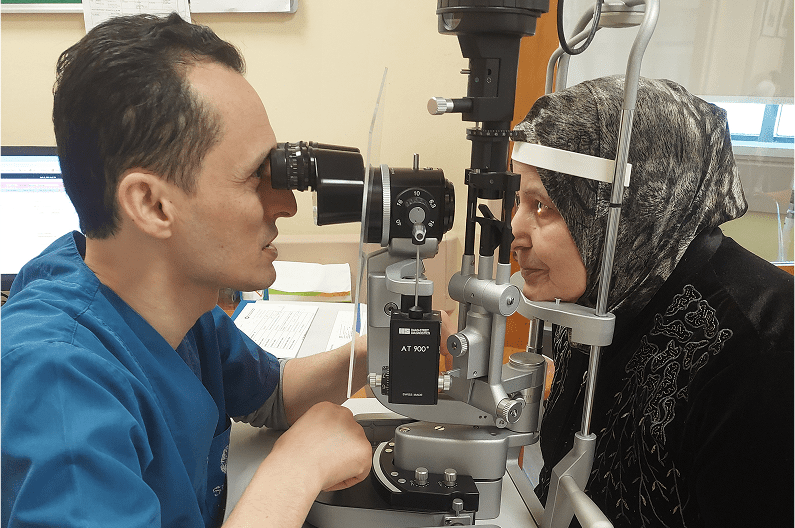
MUNA’S STORY
Mother of eight Muna’s already challenging living circumstances were made harder by significant health issues, including cataracts in both eyes.
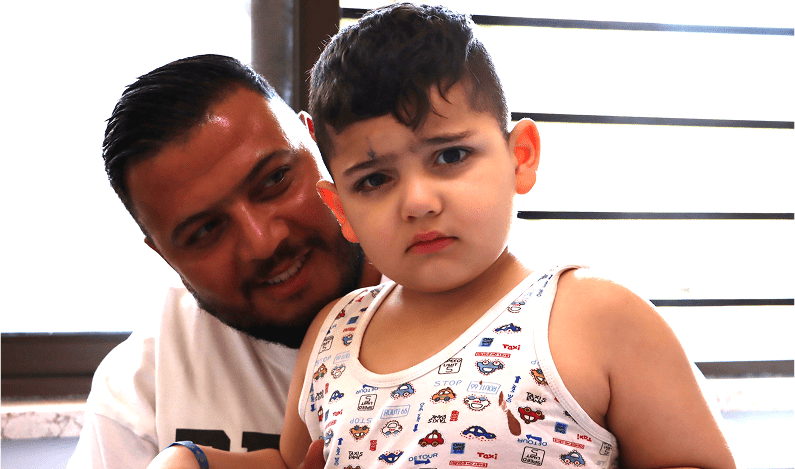
RASLAN’S STORY
Raslan, a four-year-old Palestinian refugee, was suffering from uncomfortable eye issues even after being prescribed glasses.
Challenges and Barriers to Care
We are working to overcome the many barriers preventing Palestinian women and children from receiving adequate eye care, including:
- Poor access to eye care
- Poverty and unemployment
- Consanguinity and inherited eye diseases
- Fragmented healthcare systems
- Gender inequality
FACT: Approximately 1 in 3 Palestinian adults over the age of 50 experience visual impairment, often below the legal driving standards in the UK.
what else we do
YOUR SUPPORT IS VITAL